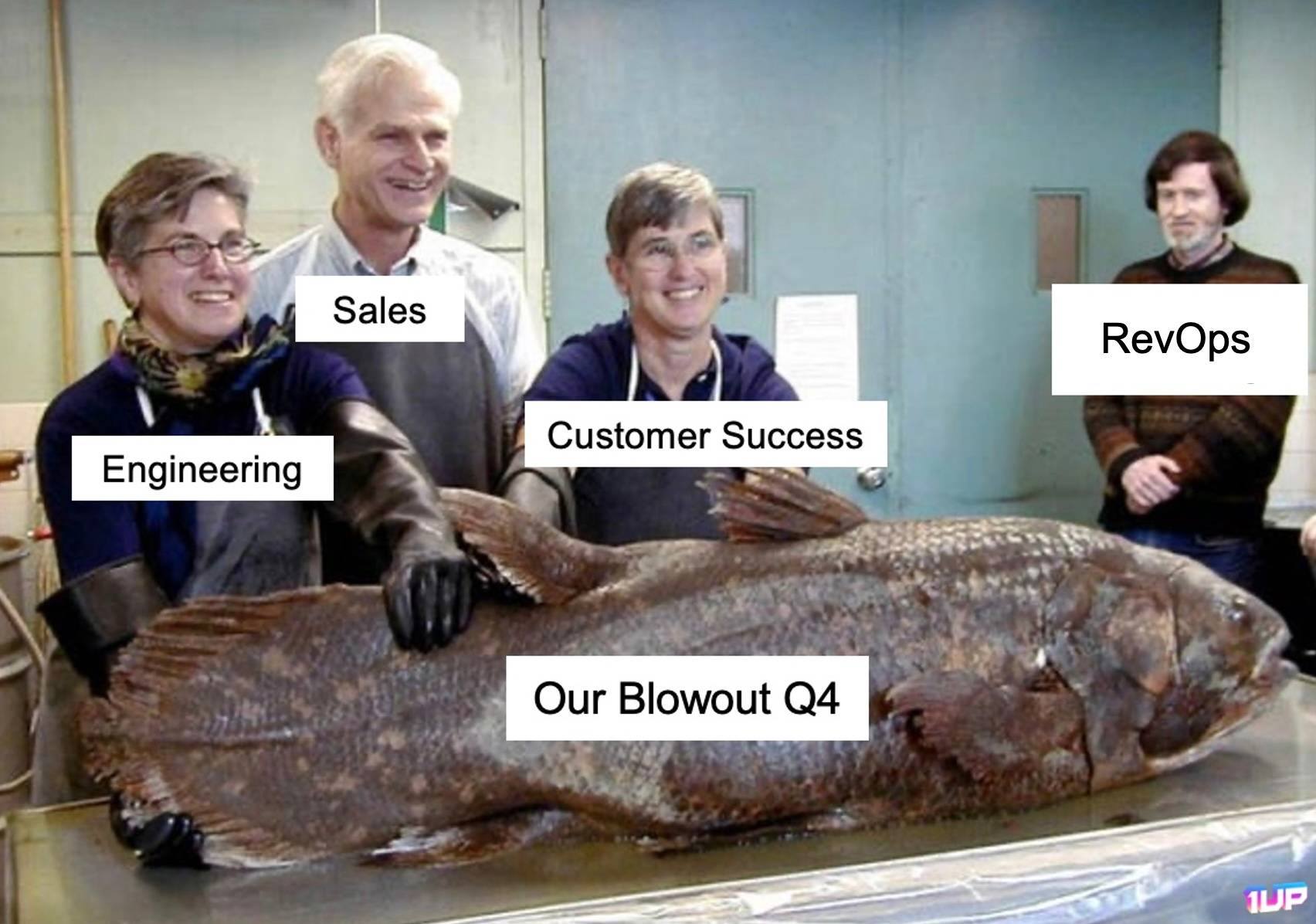

There’s an increasing cohort of people who think AI will kill SaaS.
NEWS TO KNOW
The theory: Coding and building is easier than ever, so any application can be copied and built.
My take: This is exaggerated and not true for most Enterprise companies. But for some SMB-type basic SaaS… for sure.
Workday’s CEO and former Sequoia exec agrees.
We will see a big reversal soon.
📚 – Getting a $1.2M Deal ‘Unstuck’
BEST FROM LAST WEEK
📝 – Which Cold Emails Stand Out… POV From a Buyer
💸 – Keys to Promotion…. POV from a Leader Promoted 4x in 5 Years
The Secret to Building Trust in the First 5 Minutes
Your first 5 minutes on a call can make or break the entire deal.
Most reps blow it by defaulting to pointless small talk and generic questions.
Here’s how to build instant credibility instead.

Stop Wasting Time on Fake Rapport
Skip the weather chat.
When you ask “Where are you calling in from?” you sound like every other rep they’ve talked to this week.
It also clearly shows you didn’t prepare.
Instead, lead with research-backed questions during rapport:
- “I saw you’re connected with Sarah Chen on LinkedIn. Did you two work together at Stripe?”
- “Noticed you just posted about the new product launch. How’s the team handling the increased volume?”
- “Your company just announced the Series B. Are you expanding the marketing team?”
These show you’ve done homework and create genuine conversation starters.

Master the Sharp Agenda Framework
Most reps fumble through vague meeting objectives. Your prospects are busy.
They want to know exactly what’s happening and how long it’ll take.
Here’s a script (plz edit based on options) that works:
“Cool if I share our plan for today? We put together a slide to align on value, we’ll dive into the demo, and wrap with pricing.
Depending on feedback, we can discuss a pilot, get deeper in the platform, or part ways.
What’s the #1 thing you want to accomplish today?”
Then pause. Give them a chance to speak.
Why this works:
- Shows respect for their time
- Removes pressure by mentioning “part ways”
- Gets them talking about their actual needs
- Positions you as organized and professional
Lead with a Point of View
Generic discovery questions kill momentum.
Instead of asking “What challenges are you facing?” come prepared with insights about their industry or role.
Weak approach: “Tell me about your current process.”
Strong approach: “Most marketing teams I work with are seeing 40% lower email open rates this year because of iOS changes. We typically help teams recover that engagement through personalized video sequences. What’s been your experience with email performance?”
This framework works because:
- Shows industry expertise
- Presents a common problem
- Hints at your solution
- Makes them think about their situation

The Trust Stack in Action
Here’s how a strong first 5 minutes flows:
Minute 1: Research-backed rapport “I saw the TechCrunch article about your new AI product. How’s the reception been so far?”
Minutes 2-3: Sharp agenda setting “Here’s what I’m thinking for our time together…”
Minutes 4-5: Point of view delivery “Based on what I know about companies your size, you’re probably dealing with X challenge. Here’s what we typically see…”
Mistakes That Kill Trust
Asking Questions You Could Research: Asking them generic questions like how they make money, where they are calling in from, if they are public of private, etc.
The premature value prop: Don’t pitch your solution before understanding their problem. Even if you think you know their pain points, let them confirm it first.
The question machine gun: Rattling off 10 discovery questions in a row makes you sound like you’re reading from a form. Weave questions into natural conversation.
Final Thoughts
Trust isn’t built through small talk.
It’s built by demonstrating competence, preparation, and genuine understanding of their world.
Your prospects can tell the difference between a rep who’s winging it and one who’s done the work.
The first 5 minutes set the tone for everything that follows.
Make them count.