
After slow improvement for 2 years, interest rates are headed the wrong way again.
NEWS TO KNOW
The 30-year mortgage increased for the 4th straight week.
The war with Iran has caused a shock to oil & gas. Inflation is once again a key worry.
Which means the Fed won’t lower rates likely at all in 2026.
TLDR: Not good for high growth companies. Or tech.
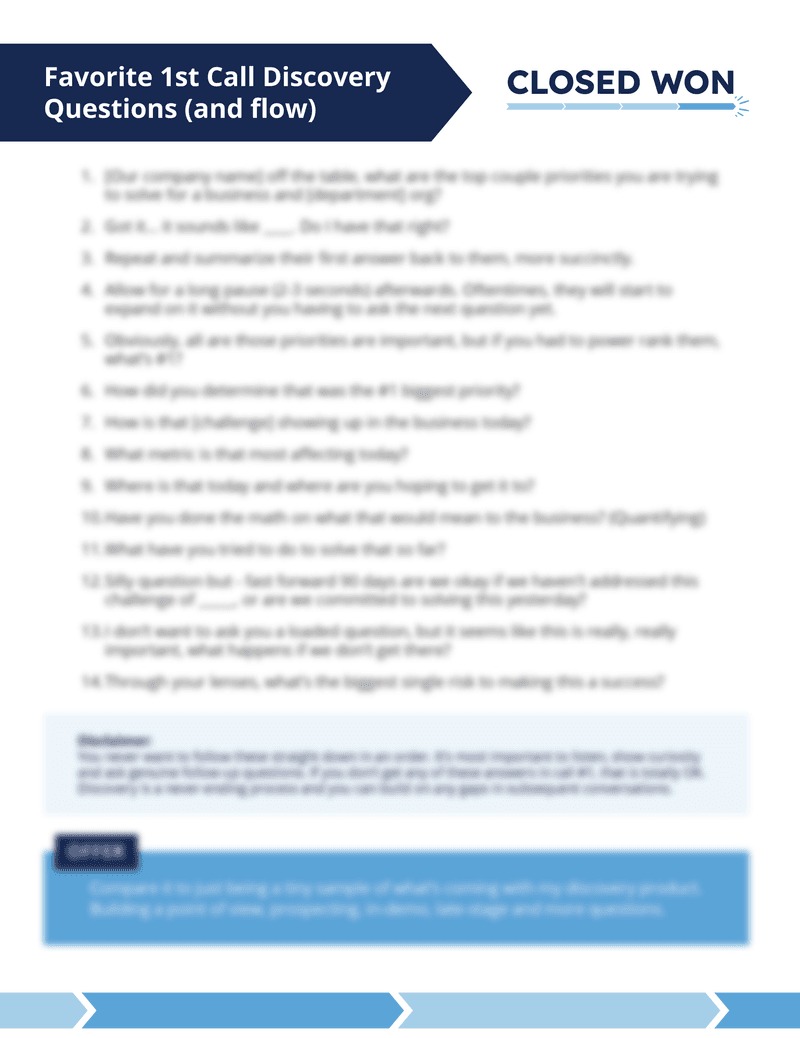
📚 – Deel Closing Discovery Questions
BEST FROM LAST WEEK
📝 – Pro Tip For Your Next Onsite
💸 – Ask This In Every Cycle
📚 – Brian’s Account Tiering System (free)
UPCOMING WEBINARS
How Top GTM Teams Run Deal Reviews To Move Deals Forward
Most deal reviews are just status updates in disguise.
Reps ramble through pipeline updates while managers nod along, and nothing meaningful happens.
But the best sales teams? They run deal reviews with a real process behind them.
Here’s what separates elite deal reviews from the rest: managers come prepared with a point of view, and reps come ready to get uncomfortable.
The Manager’s Playbook: Come With Context, Not Questions
Elite managers don’t wing it. Before any deal review, they’ve done their homework.
They know:
- Exactly who the rep has been talking to (and who they haven’t)
- What the next logical step should be
- Where the biggest risks are hiding
When you’ve seen hundreds of deals, you can spot the warning signs that reps often miss.
Example: Instead of asking “How’s the ABC Corp deal going?”, an elite manager says: “I noticed you’ve only been talking to the IT director at ABC Corp, but their last three purchases over $50K required CFO approval. What’s your plan to get in front of their finance team?”

The Rep’s Job: Surface What You Don’t Know
Here’s where most reps go wrong: they focus on what’s going well instead of what could go sideways.
Top reps come to deal reviews with a different mindset. They’re hunting for blind spots, not celebrating progress.
The magic question reps should ask themselves before every deal review: “What information am I missing that could kill this deal?”
This shifts the entire conversation. Instead of reporting, you’re strategizing.
The Risk-Seeking Question Framework
Great teams ask the hard questions that make everyone squirm a little.
These aren’t designed to be pessimistic but they’re built to surface real issues before they become deal-killers.

The core framework revolves around two simple questions:
- “Why would this NOT close by [date]?”
- “What’s our action plan around that risk?”
But here’s the key: you need different questions for different types of deals in your pipeline.
Commit Deals (90%+ confidence)
These should be your slam dunks, but even slam dunks can miss.
Focus on execution and timing risks:
- “What could delay the signature by more than a week?”
- “Who haven’t we talked to yet that could throw a wrench in this?”
- “What’s their real timeline for implementation, and does that match ours?”
- “If the champion goes MIA, who’s driving this forward?”
- “What’s the exact approval process, and have we confirmed each step?”
Most Likely Deals
These deals have momentum but need strategic pressure.
Focus on competitive and decision-making risks:
- “What happens if they decide to do nothing?”
- “Who’s advocating for the status quo, and what’s their argument?”
- “If a competitor came in 20% cheaper tomorrow, would we still win?”
- “What’s the real compelling event, and is it strong enough?”
- “Who could kill this deal and what do they care about most?”
- “What questions are we afraid to ask?”

Best Case Deals
These are your long shots with potential.
Focus on qualification and relationship risks:
- “Are we solving a must-have problem or a nice-to-have?”
- “What evidence do we have that they’ll actually spend money?”
- “Are we talking to people who can say yes, or just people who can say no?”
- “What would have to be true for this to close this quarter?”
- “What’s the pain we are solving for and is this big enough where they plan to invest?”
Making It Stick
The best deal reviews end with what I call the “commitment close.”
Before anyone leaves the room (or hangs up the Zoom), the rep states exactly what they’re going to do and when they’ll execute.
The difference between good sales teams and great ones isn’t talent or luck. It’s process. And deal reviews are where that process either works or falls apart.
Your pipeline will thank you.